
Best Country for Hair Transplant
1405/07/01
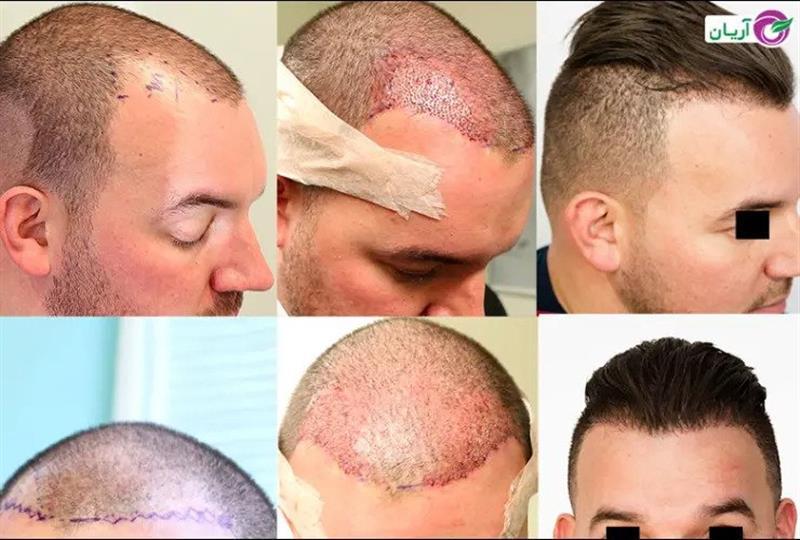
Compare hair transplant destinations by clinician responsibility, clinic standards, total cost, travel and aftercare before choosing a country.
There is no single country that is automatically the right choice for every hair transplant patient. A lower price, a famous medical-tourism destination or a large number of clinics does not tell you who will be responsible for your procedure, how your donor area will be managed, or what will happen if you need medical care after returning home.
A better way to choose a country for a hair transplant is to compare destinations through the same set of questions: Who is responsible for the surgery? Can their qualifications be verified? Is the treatment plan based on your individual hair loss and donor area? What is included in the total cost? And how will follow-up work once you leave the country?
International medical travel adds another layer to a surgical decision. The CDC advises patients considering treatment abroad to evaluate not only the destination, but also the healthcare professional, facility, communication, continuity of care and arrangements for follow-up.
What Actually Makes a Country a Good Hair Transplant Destination?
Country comparisons can be useful as an initial filter, but the quality of care can vary between clinics and medical teams within the same destination.
Instead of starting with a list of countries, compare each option across the factors that can actually affect your treatment and your experience.
| What to compare | What you should verify before booking |
|---|---|
| Medical responsibility | Who is the licensed clinician responsible for your diagnosis, planning, procedure and postoperative care? |
| Qualifications | Can you verify the clinician's medical licence, training and relevant experience? |
| Who performs the procedure | Which stages are performed by the physician and which, if any, are delegated to other staff? |
| Treatment planning | Is the proposed approach based on your donor area, hair-loss pattern and realistic long-term needs? |
| Facility standards | Can the clinic explain its licensing, infection-control procedures and emergency arrangements? |
| Total cost | What is included in the quotation and what may create additional charges? |
| Follow-up | Who will review your recovery after you return home? |
| Travel and communication | Can you communicate clearly with the medical team before, during and after treatment? |
This approach makes it easier to compare a clinic close to home with one in another country without assuming that geography alone determines quality.
Start With the Clinician, Not the Country
One of the most important questions is straightforward: Who is medically responsible for your hair transplant?
The International Society of Hair Restoration Surgery advises patients to check a physician's medical training, licensing and relevant qualifications before surgery. It has also warned about situations in which substantial parts of hair restoration surgery are carried out by unlicensed personnel.
Before travelling, you should know the name and role of the person responsible for your care.
It is reasonable to ask who performs the diagnostic assessment, who designs the hairline, who plans the donor area, who performs the surgical stages and who manages complications if they occur.
A country's reputation cannot answer those questions for you.
Find Out Who Will Actually Perform the Hair Transplant
A consultation with a clinic representative is not the same thing as a medical consultation with the clinician responsible for surgery.
This distinction becomes especially important when treatment is arranged remotely.
A polished website, sales coordinator or large before-and-after gallery cannot tell you whether the medical professional you expect to perform your procedure will actually be responsible for the relevant surgical steps.
ISHRS guidance emphasises the role of properly trained and licensed medical professionals in diagnostic evaluation, surgical planning, donor harvesting, hairline design, recipient-site creation and postoperative care, while recognising that legal scopes of practice vary between jurisdictions.
Before paying a deposit, ask for a clear explanation of who performs each stage.
Compare Treatment Planning, Not Just Graft Numbers
A large graft estimate can sound attractive, but graft count alone does not tell you whether the treatment plan is appropriate.
Hair transplantation depends on a limited donor supply. The medical team needs to consider the donor area, the extent and pattern of hair loss, previous procedures and the possibility of future hair loss.
A useful consultation should therefore explain not only what can be transplanted now, but also why the proposed plan makes sense for your longer-term appearance.
Be cautious when a final graft number or guaranteed density is offered before an adequate assessment.
For an international patient, photographs can be useful during an initial remote review, but they should not be treated as a substitute for every part of an in-person medical assessment.
Do Not Compare Countries by Price Alone
Cost is one reason people consider hair transplantation abroad, but the cheapest advertised package may not represent the lowest total cost.
The CDC recommends that medical travellers understand exactly which services are included and whether follow-up care may generate additional costs. The NHS similarly advises patients considering cosmetic surgery abroad to weigh potential savings against issues such as follow-up, complications and the practical difficulty of returning to the original clinic.
When comparing quotations, look beyond the headline price.
A useful comparison should account for the medical procedure, consultations, medications or postoperative care if applicable, flights, accommodation, local transportation and the financial implications of needing additional medical assessment after returning home.
A higher quotation is not automatically better. A lower quotation is not automatically worse. The important question is what you are paying for and whether the medical responsibilities are clear.
Aftercare Can Change Which Destination Makes Sense
Follow-up is one of the biggest differences between having surgery near home and travelling abroad.
If you choose a distant destination, ask what happens after you leave.
You should know how routine follow-up will be handled, whether remote assessment is available, who can answer postoperative medical questions and what you should do if a problem requires physical examination.
The NHS specifically advises people considering surgery abroad to establish where follow-up appointments will take place and what happens if complications or further treatment are required.
The CDC also recommends arranging continuity of care before travelling and obtaining copies of relevant medical records before returning home.
This means that a country offering an attractive surgical package may become less attractive if the follow-up plan is unclear.
Think About the Journey Home Before You Book the Journey Out
Medical tourism combines two separate issues: surgery and international travel.
Recovery requirements can affect when you can comfortably or appropriately travel, what activities you should avoid and how easily you can obtain medical care if something unexpected occurs.
Your return flight should therefore be planned around the treatment and your clinician's postoperative advice rather than around the shortest available package.
Travel distance also affects how easily you could return to the clinic for an in-person review.
For some patients, staying closer to home may make follow-up easier. For others, travelling farther may still be reasonable if the clinical plan, communication and postoperative arrangements are clear.
Communication Matters More Than It May Seem
You need to understand your treatment before giving consent.
Language differences should not leave you uncertain about the procedure, risks, alternatives, postoperative instructions or the person responsible for your medical care.
The CDC specifically identifies communication as an issue medical travellers should consider when seeking care in a country where they do not speak the language fluently.
Before travelling, determine how medical communication will work.
Do not assume that access to a sales representative or translator automatically means that you will have direct access to the clinician responsible for your procedure.
Accreditation and Licensing Are Useful Checks, but Not Guarantees
Licensing and accreditation can help you verify basic information about a clinician or facility.
They should be part of your due diligence, but they do not guarantee a particular cosmetic result.
The CDC notes that licensing, certification and accreditation requirements differ between countries and advises medical travellers to research both the healthcare professional and the facility. It also cautions that accreditation itself does not guarantee a positive outcome.
When possible, verify credentials through the relevant regulatory or professional organisation rather than relying only on badges displayed on a clinic's website.
Red Flags Are Red Flags in Any Country
Certain marketing messages deserve closer scrutiny regardless of where the clinic is located.
-
An unnamed surgeon or unclear medical responsibility
-
Consultation handled only by sales staff
-
A final surgical plan based only on a few photographs
-
Pressure to pay quickly before medical questions are answered
-
Promises of “scarless” surgery, “no risk”, “pain-free” treatment or guaranteed results
-
Claims of unlimited grafts or guaranteed density
-
No clear explanation of who performs each stage
-
No defined postoperative follow-up
-
No clear plan for complications after you return home
ISHRS specifically identifies terms such as “scarless surgery”, “pain free”, “guaranteed results”, “unlimited grafts” and “no risk” as potentially misleading language in hair-restoration marketing.
How Different Travel Options Change the Decision
The best destination can depend partly on what matters most to you.
| Type of option | Potential practical advantage | Question to consider |
|---|---|---|
| Treatment in your home country | Easier access to consultations and in-person follow-up | Does the medical team meet your clinical and financial requirements? |
| Nearby international destination | International options with shorter travel | How easy would it be to return if an in-person review were needed? |
| Long-distance medical tourism destination | May provide a wider range of clinics or different pricing | Is the benefit worth the additional travel and follow-up complexity? |
The purpose of this comparison is not to identify a universal winner. It is to help you understand which trade-offs matter in your own situation.
A Better Way to Compare Hair Transplant Countries
If you are comparing several destinations, use the same questions for every clinic.
Do not give one country a pass because it is famous for hair transplantation, and do not reject another only because it is less frequently mentioned online.
For each clinic, document who the responsible clinician is, how their credentials can be checked, how the donor area will be assessed, who performs the procedure, what the quotation includes, what risks have been explained and how follow-up will work.
You can then compare like with like rather than comparing advertising claims.
Where Does Iran Fit Into the Comparison?
Iran may be one of the destinations you are considering, but it should be evaluated using the same criteria as any other country.
Do not choose Iran only because of price, and do not reject or select another destination simply because it has a stronger medical-tourism reputation online.
If Iran is on your shortlist, the next useful step is to examine the treatment process, assessment, travel planning and follow-up specifically for an international patient.
See our guide to hair transplant in Iran for international patients for the destination-specific information that is intentionally not duplicated on this page.
Questions to Answer Before You Book
Before committing to treatment abroad, you should be able to answer these questions clearly: Who is medically responsible for my procedure? Have I verified that person's qualifications? Who will perform the surgical steps? How was my donor area assessed? What is included in my quotation? What are the limitations and risks of the proposed plan? What happens if I develop a problem after returning home? And where will I receive in-person medical care if remote follow-up is not enough?
If several of those answers are still unclear, you probably do not yet have enough information to compare destinations properly.
Frequently Asked Questions
What is the best country for a hair transplant?
There is no single destination that is the right choice for every patient. The more useful comparison is between the responsible clinician, facility, treatment plan, total cost, follow-up arrangements and practical travel requirements available to you in each destination.
Is the cheapest country for a hair transplant the best value?
Not necessarily. Compare the complete cost of treatment and travel together with medical responsibility, follow-up and the possibility of needing additional care after you return home.
Is a high number of hair-transplant clinics a sign that a country is better?
A large market gives patients more options, but the individual clinic and medical team still need to be evaluated. Country-level popularity does not replace checking qualifications, responsibilities and the actual treatment plan.
Should I choose a country based on before-and-after photographs?
Photographs can help you understand the type of work a clinic publishes, but they cannot verify medical qualifications or predict your individual result. They should be one part of a broader assessment.
Is it safer to have a hair transplant in my own country?
Staying closer to home may make consultations and in-person follow-up easier, but safety cannot be determined from geography alone. The clinician, facility, medical plan, your individual health and continuity of care all matter.
Medical Sources
CDC — Medical Tourism guidance
International Society of Hair Restoration Surgery — Before You Choose a Surgeon

User-Comments